
Setting up your first salon suite is less about filling every corner and more about building a workspace that supports efficient services, a polished client experience, and the way you want to run your business. Start with the equipment that affects your daily workflow. Then add the details that reinforce your brand and clientele.
A practical salon suite equipment checklist should cover your styling chair, station, mirror, shampoo setup, personal tools, sanitation supplies, storage, lighting, and business technology. At Salons by JC, core infrastructure such as premium furniture, fixtures, utilities, high-speed WiFi, sinks, shampoo bowls, and styling chairs is already provided, so you can focus your investment on personalization and specialty equipment.
Ready to see your setup in a professional suite? Schedule a tour at Salons by JC today and explore move-in-ready spaces designed for independent beauty professionals.
That distinction can make the move into independent business ownership more manageable. With the fixed foundation handled, you can evaluate each furnishing decision by asking whether it improves service quality, protects your energy behind the chair, or makes the suite feel unmistakably yours. Begin with the furniture that shapes how every appointment flows.
What Equipment Do You Need for a Salon Suite?
A functional salon suite starts with furniture that supports your service flow, your body, and the experience you want clients to associate with your business. The core styling setup typically includes a professional styling chair, a station, and a high-quality mirror. Shampoo equipment is equally important for services that require washing, conditioning, or chemical preparation.
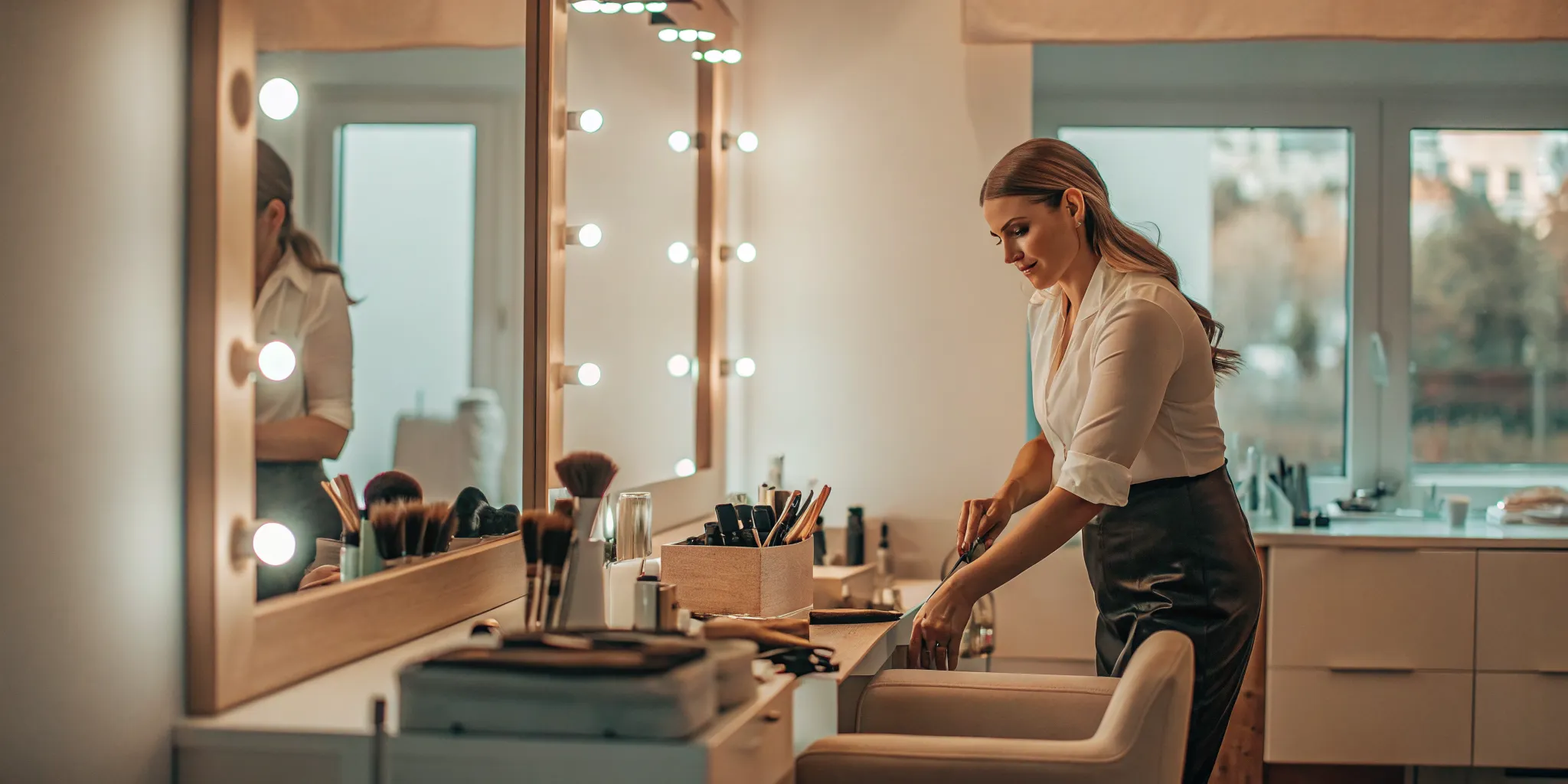
Choose a chair that supports your service model
A hydraulic styling chair is usually the most versatile option because you can adjust the height for different clients and working positions. That flexibility can make long service days more comfortable and help you work efficiently across a range of services. A manual chair may be suitable when your services are more specialized or when you prefer a simpler, lower-maintenance design. Whichever model you choose, prioritize stability, durable upholstery, and a shape that gives clients comfortable support.
Build a station around your workflow
Your styling station should keep the tools and products you use most within easy reach without crowding the work area. Pair it with a mirror that gives clients a clear view and complements the visual identity of your suite. Standard stations can provide practical storage and a clean footprint. Adjustable stations offer more flexibility when you need to change working height, accommodate different equipment, or create a more ergonomic setup. Select finishes and hardware that feel consistent with your brand rather than treating the station as an afterthought.
Plan for shampooing and client comfort
A shampoo bowl and backwash unit are critical infrastructure for many salon services. Salons by JC provides core infrastructure such as sinks, chairs, and shampoo bowls, so you can focus your investment on quality equipment and details that personalize the space. Review what a suite rental includes as base equipment before purchasing duplicate furniture.
| Feature | Hydraulic Chair | Manual Chair |
|---|---|---|
| Height adjustment | Pneumatic lift, adjustable during service | Fixed or manual screw adjustment |
| Best for | Versatile service menus, varied client heights | Specialized services, fixed setup |
| Mobility | Swivels and rolls easily | Generally more stable, less movement |
| Maintenance | Hydraulic mechanism may need service over time | Fewer moving parts, less maintenance |
| Cost range | Higher upfront investment | More budget-friendly |
Client seating is another practical detail. A comfortable chair or compact waiting seat gives clients a place to settle in while you prepare the service, without sacrificing valuable floor space. Use this salon suite equipment checklist to confirm what is already provided, then add furniture that improves your workflow and communicates the level of service your business delivers.
What Professional Tools Belong in Your Salon Suite?
Use this part of your salon suite equipment checklist to separate daily essentials from specialty tools you can add as your service menu and revenue grow.
- Start with your core heat and cutting tools. Purchase a professional blow dryer, flat iron, curling iron or wand, and the attachments and guards you use most often. Hair professionals should also have dependable clippers and trimmers if cutting, fades, beard work, or short-style services are part of the menu. Choose tools based on your actual clientele and techniques, not on a large starter bundle that leaves unused equipment in limited storage.
- Build a service-ready backbar. Keep capes, towels, clips, combs, brushes, sectioning tools, and heat-resistant surfaces within easy reach. Add the sanitation supplies required for your tools and workflow, including approved disinfectant, labeled containers, gloves where appropriate, and a covered area for clean supplies. A consistent reset routine protects clients and keeps the suite ready for the next appointment.
- Add equipment for chemical and conditioning services. Do not overlook a hood dryer when your menu includes chemical services or deep conditioning. Hood dryers remain necessary for many of these treatments, even when a handheld dryer handles most styling. Confirm the suite’s electrical capacity and placement before purchasing specialty equipment.
- Protect your body as you work. Place a salon chair mat at the main styling station to make movement easier and reduce fatigue during long days behind the chair. Chair mats are specifically associated with ergonomic comfort for professionals working extended periods.
- Expand strategically. As bookings increase, add a second set of high-use tools, specialty irons, additional clippers, or service-specific attachments so a single failure does not interrupt your schedule. Before ordering, check supplier policies. Some professional suppliers require proof of an active cosmetology license, so keep your license documentation available and verify eligibility before building your order.
Already thinking about tour timing? Book a tour of a Salons by JC suite and see how the included furniture and fixtures can reduce your startup costs from day one.
Storage and Organization for a Small Salon Suite
In a compact suite, organization affects both service speed and the client experience. Start by treating vertical space as working space. Wall-mounted shelving can hold backstock, towels, and frequently used supplies without taking up floor area. Keep the shelves within easy reach, but reserve the most visible surfaces for items that support your brand rather than allowing every product and tool to remain on display.
Use a rolling cart for tools that move between services, then return it to a designated parking spot when the appointment is finished. Inside cabinets, group supplies by task, such as color, styling, sanitation, or retail fulfillment. Clear bins and simple labels make restocking faster and prevent crowded countertops. The goal is a clean station where the next tool is accessible without making the suite feel overfilled.
Make retail visible without making it intrusive
If you sell professional products, a retail rack or display is a practical part of your setup. Retail display racks are recommended for professionals who plan to sell hair care products to suite clients. Place the display where clients naturally pause, such as near the reception desk or along the path from the styling chair to the exit. Keep it at eye level, organized by need, and limited to products you can confidently explain. Avoid placing it behind your chair, where clients may never see it.
A dedicated reception desk with client seating establishes a welcoming first impression. Use the desk to anchor the entry area, not to create another storage pile. Salons by JC suites are designed with efficient layouts and core infrastructure, so you can build on that foundation with vertical storage, intentional furniture placement, and a clutter-free finish.
Lighting, Decor, and Creating Your Brand Atmosphere
A salon suite is a blank canvas, but the finished environment should feel intentional from the moment a client enters. Lighting, color, decor, and equipment choices work together to communicate what your business stands for, whether that is polished and minimalist, warm and restorative, or energetic and trend-focused.
Layer light for precision and comfort
Adequate lighting is critical for color services and precision work. Build in layers rather than relying on one harsh overhead fixture. Overhead lighting should provide consistent general visibility. Task lighting can illuminate the station, mirror, or treatment area without creating shadows. Accent lighting can highlight retail products, artwork, or architectural details while adding warmth to the room. The goal is a workspace where you can evaluate color accurately and work carefully, while clients feel comfortable rather than exposed. Lighting is a practical salon-suite requirement, not just a decorative upgrade.
Let personal touches reinforce your positioning
Choose a restrained color scheme that supports the experience you want to create. Wall decor, textiles, plants, and mirrors can add personality without crowding a compact suite. Keep the visual system consistent: a professional serving luxury-minded clients may choose refined finishes and quiet tones, while a vivid palette may better suit a creative, fashion-forward practice.
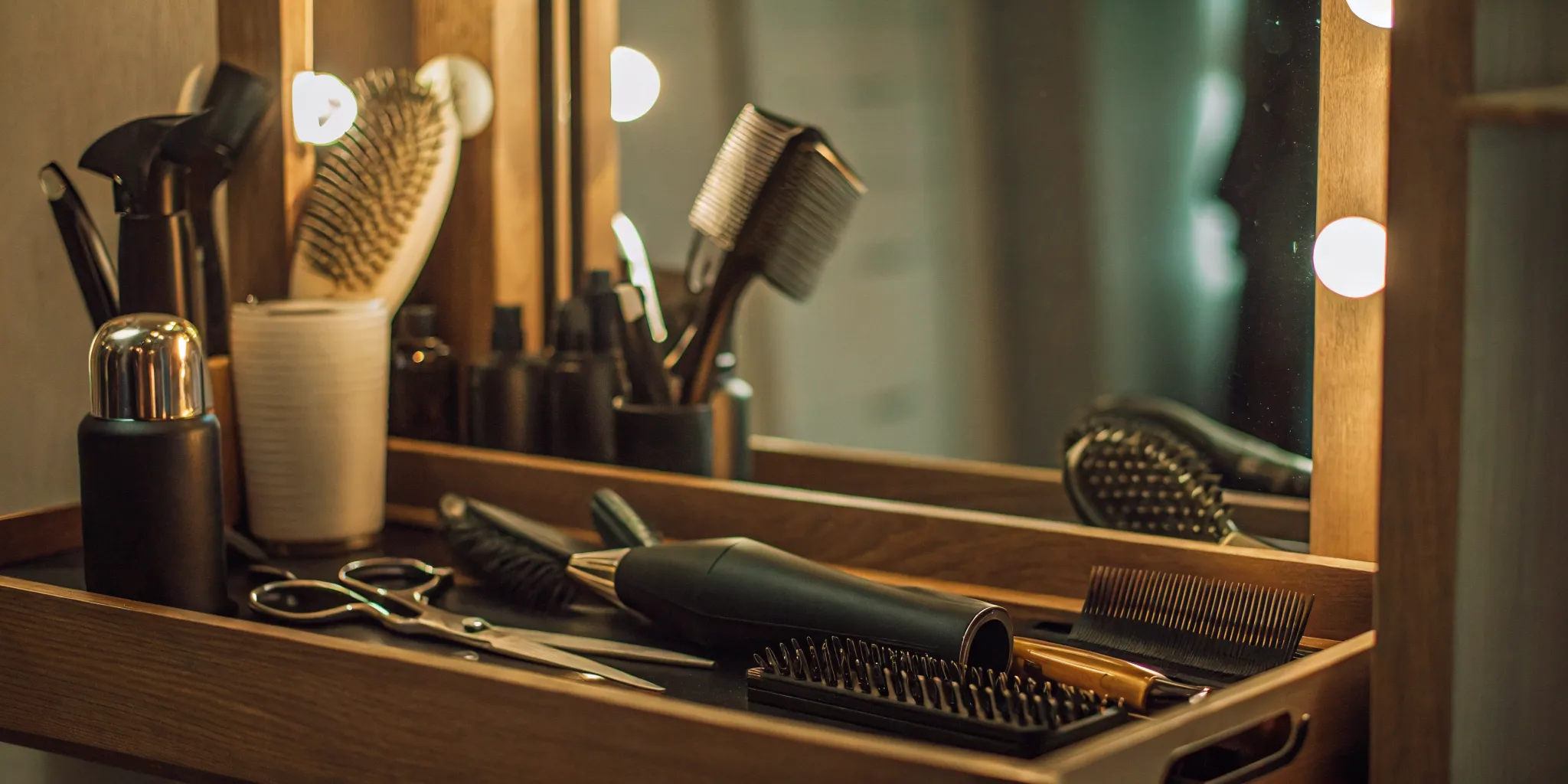
Equipment belongs in that same conversation. A cohesive styling station, thoughtfully selected tools, and organized product presentation can make the suite feel like an extension of your expertise. Equipment choices should reflect both your clientele and the overall aesthetic of the space, rather than simply filling every available surface. Use this section of your salon suite equipment checklist to decide what clients should see, feel, and remember. The infrastructure gives you a starting point; your personal choices build the brand.
Business Operations: POS, Scheduling, and Retail
A functional suite needs more than styling tools. Your business operations setup should make it easy to book the right amount of time, collect payment, track client history, and understand which services and products are driving revenue. Scheduling software and a point-of-sale system are foundational tools for salon suite operations, alongside client management features that keep formulas, preferences, notes, and follow-up opportunities organized.
Choose systems that support independent operations
Look for scheduling software that allows you to set your own availability, service durations, deposits, cancellation policies, and reminders. Your POS should process payments securely and make it simple to review daily sales, tips, taxes, and product inventory. If you are comparing the responsibilities and control involved in different rental arrangements, review this guide to business model comparison before selecting your workflow.
Turn retail into a deliberate revenue stream
A compact retail display can introduce clients to the products you already trust without making the suite feel crowded. Use a small, organized rack near checkout, group products by client need, and connect each recommendation to the service performed. Track sell-through in your POS rather than overstocking items that do not move. Product shelving, display fixtures, and other purchases may also belong in your records as deductible salon suite equipment; consult a qualified tax professional about your situation.
At Salons by JC, concierge managers handle property management and day-to-day facility support, so you can keep your attention on clients, service quality, and business growth rather than building maintenance.
How Much Does It Cost to Furnish a Salon Suite?
There is no single answer. Your starting budget depends on the services you offer, the equipment already included in the suite, the quality level you choose, and whether you are furnishing one station or building out a more specialized setup. A practical range can run from a modest essentials-only package to a significantly higher investment for premium furniture, multiple service categories, and custom finishes.
Start with the items that directly affect service quality and daily efficiency. Invest in high-use tools such as your professional chair, shears, dryer, and any specialty equipment required for your core services. These are the purchases your business relies on every day, so durability and ergonomic design generally matter more than choosing the lowest initial price.
Save strategically on secondary items. Shelving, storage bins, towels, and decorative accessories can often be sourced in stages or upgraded as revenue grows. This approach lets you open with a polished, functional environment without tying up cash in details that do not immediately generate income.
Also account for potential tax treatment. Depending on your business structure, tax situation, and the nature of the purchase, some major equipment purchases may qualify as deductible business expenses. Review equipment purchases as deductible expenses with a qualified tax professional before making assumptions.
Salons by JC helps reduce upfront costs by providing core infrastructure, including premium furniture, fixtures, utilities, high-speed WiFi, sinks, shampoo bowls, and styling chairs. That means your budget can focus on personal tools, specialty equipment, branding, and the client experience rather than recreating the room itself. Build your salon suite equipment checklist around what is included at your selected location, then add upgrades as your business earns the investment back.
Frequently Asked Questions
What equipment do I need for a salon suite?
Start with the essentials for your service menu: a professional styling chair, station, mirror, shampoo access, task lighting, and the tools you use every day. Add specialty equipment, storage, and sanitation supplies based on your services rather than buying every possible item at once.
How much does it cost to furnish a salon suite?
The cost varies widely based on the quality and quantity of furniture, tools, technology, and decor you choose. Build your budget in phases: confirm what the suite already provides, purchase service-critical equipment first, and reserve a separate amount for branding, retail displays, and upgrades.
Is salon furniture included in a suite rental?
Some suite providers include base furniture and infrastructure, but the details vary by location and rental agreement. Confirm whether chairs, sinks, shampoo bowls, cabinets, and other core fixtures are included before purchasing equipment. Then use your budget for personal tools and specialty items that support your services.
How do you organize a small salon suite?
Use vertical and wall-mounted storage where permitted, keep frequently used tools within reach, and assign a specific home to every product and supply. Store backstock away from the service area, keep cords controlled, and leave clear working space around the chair and station so the suite stays efficient between clients.
Do I need a license to buy professional salon equipment?
Some professional suppliers may request proof of beauty-industry licensure before selling certain products or equipment. Have your license information available, and check the supplier’s requirements before placing an order. Your state board and service-specific regulations should guide any equipment or sanitation decisions.
Ready to Plan Your Salon Suite Setup?
Once you know what equipment, storage, and finishing touches support your services, the next step is to see how your setup could come together in a professional suite. Schedule a tour of available Salons by JC suites and get a clearer view of the space before you make furnishing decisions. Schedule a tour of available Salons by JC suites and take the next step toward building a workspace designed around your business.