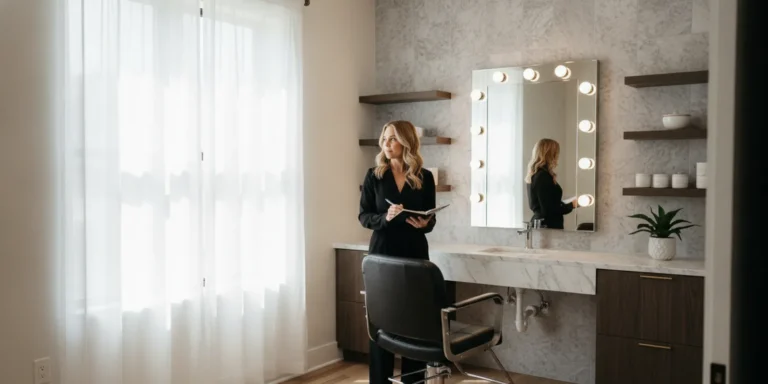

If you’re considering a salon suite rental Atlanta Ansley Mall GA, compare the business arrangement as carefully as the room. A private suite can give you more control over your schedule, services, brand, and client relationships, while also placing more operating decisions in your hands. Use this guide to compare work models, prepare for a tour, and verify costs and terms for the specific Ansley Mall space you’re evaluating. It does not assume current availability, local rates, or amenities.
Book a tour and explore suite leasing
What does independence in a private suite mean?
Moving into a private suite changes how you organize your day and your business. Instead of working within another salon’s commission structure or renting a chair in a shared setting, you may have a private work area where you shape more of the client experience. Your exact degree of control depends on the written agreement and the rules that apply to the property and your profession, so confirm rather than assume.
For an established professional, the value of independence is often practical. You can evaluate whether the work environment fits your service mix, decide how to communicate with clients, and build your business identity around the experience you want to provide. At the same time, you need a plan for responsibilities that may include appointment management, collecting payments, ordering supplies, keeping business records, and managing time away from work. Ask which duties are yours and which, if any, are handled by the property.
A suite is not automatically the right choice for every professional. Commission work may offer a more structured salon setting. Booth rental may provide some independence with a different kind of shared arrangement. A private suite can make your work environment feel more distinctly yours, but it also calls for careful budgeting and preparation. Start by identifying what you want to change in your current model and what you want to preserve.
What should you compare before choosing a work model?
Compare the same factors across commission work, booth rental, and a private suite. Ask for written terms and put recurring costs on the same time basis. A weekly figure and a monthly figure are not directly comparable until you convert them and account for included items, deposits, and any other charges. The table is a decision framework, not a statement of specific terms at Ansley Mall.
| Factor | Commission work | Booth rental | Private suite |
|---|---|---|---|
| How payment works | Confirm the agreed share of service revenue and how retail, discounts, and payment processing are treated. | Confirm the rental amount, billing cycle, due date, and charges outside the base rent. | Request the full lease or rental cost and list all fixed and variable obligations. |
| Schedule and access | Ask how shifts, appointment availability, time off, and schedule changes are managed. | Check access hours, shared-space expectations, and any schedule rules. | Confirm access arrangements and restrictions that affect your hours or client appointments. |
| Client experience | Learn how booking, arrival, payment, and client communication are handled. | Ask what you control and what is shared, including client flow and common areas. | Ask which parts of the client experience and branding you can shape, and which property rules remain. |
| Operating tasks | Identify which supplies, tools, records, and business tasks belong to you. | Get a clear list of what you provide and what the rental includes. | Request a written list of inclusions, your duties, and any setup items you must supply. |
| Financial exposure | Consider how your take-home amount changes with service volume and the agreed calculation. | Test whether rent remains workable during slower periods. | Model fixed commitments, launch expenses, and variable business costs against conservative revenue. |
There is no universal winner. If your client demand varies, compare a typical month with a slower month. A fixed rental amount can make one part of your budget easier to see, but it does not remove costs for supplies, taxes, insurance, payment processing, professional licensing, or time away from work. Think through how much control you want and how much business administration you’re ready to handle.
How can you test whether the costs fit your business?
Begin with your own records, not a hoped-for sales target. Review several recent months if you have them. Note service revenue, average ticket, number of appointments, rebooking patterns, days worked, and meaningful seasonal changes. Separate gross revenue from money left after business expenses. This gives you a more useful basis for comparing arrangements than a rent figure in isolation.
- Set a baseline. Write down current revenue and expenses by month. Separate predictable charges from costs that rise with the number or type of services you provide. If you currently work on commission, record your actual earnings after the split rather than comparing the suite rent with gross sales.
- Ask for a complete written cost breakdown. Confirm the rent or lease amount, billing schedule, deposit, term, renewal process, utility treatment, and any other fees. Ask whether a quoted amount is specific to the suite and current agreement. Do not treat a conversation or a general estimate as a final offer.
- Separate move-in costs from recurring costs. Make two lists. The first should cover one-time expenses such as equipment or supplies you need to acquire and any setup work you are responsible for. The second should cover monthly obligations, including rent, supplies, insurance, booking tools, payment processing, taxes, and marketing where applicable.
- Build a conservative revenue case. Use a slower month or a cautious estimate of booked hours. Subtract both fixed and variable expenses. Then ask whether the remaining amount can support your business and personal obligations without assuming every appointment slot will be filled.
- Decide your guardrails before touring. Set a maximum recurring cost, a minimum cash cushion, and a point at which you would postpone a move. These are your own decision limits, not an estimate of what a suite should cost.
For example, imagine you have a steady group of repeat clients but are unsure how many will follow you into a new arrangement. Build one case using the appointments you can reasonably expect to retain and a second using a slower booking pattern. Put the written lease costs into both cases, along with supplies and the other expenses you will take on. If the move only works under the fullest schedule, treat that as a signal to gather more information or wait, rather than filling the gap with an optimistic assumption.
For a commission comparison, use the same appointment volume and service revenue in both models. Calculate what your current arrangement leaves you after its share and business expenses. Then estimate the private-suite remainder after the written rental cost and the additional expenses that would become yours. This is a planning exercise, not a promise of earnings. It helps you see which model fits your client base, capacity, and tolerance for fixed commitments.
Review the salon suite rental overview as background on the leasing model, then request the current terms for the particular space you are considering. A general overview is not a substitute for a location-specific quote or agreement.
Which Ansley Mall details should you verify?
Use the Ansley Mall location page to identify the location you want to discuss, then ask the leasing contact to confirm the details for the suite under consideration. A location page cannot establish current availability, costs, or the precise terms of an individual agreement. Ask for current information directly and keep the answers with your notes.
During your first conversation, focus on practical questions that affect your decision:
- Is a suite currently available, and when could it be occupied?
- What is the complete written rental cost, including billing frequency, deposit, and any additional charges?
- What is included, if anything, in the amount quoted? Ask specifically about utilities, furnishings, fixtures, and services rather than inferring them.
- What access arrangements apply to you and your clients? Ask about hours, entry procedures, and any building rules.
- What requirements apply to signage, deliveries, client arrival, and shared areas?
- Which maintenance, cleaning, and repair responsibilities belong to the renter?
- What documentation must you provide before starting, such as proof of professional licensing or insurance?
- What are the agreement term, renewal process, notice requirements, and conditions for ending the arrangement?
These are questions to verify, not claims about what the Ansley Mall location offers. If a detail matters to your decision, get it in writing. Ask the contact to clarify whether an answer is a property policy, an agreement term, or an item that still needs confirmation. That distinction can prevent a verbal expectation from being mistaken for a commitment.
Also check professional requirements for the services you intend to offer. Georgia’s Secretary of State provides information through its official website; use the relevant licensing division’s current guidance to verify the rules that apply to your license and services. Requirements can differ by profession and may change, so do not rely on an informal summary as a substitute for checking the applicable authority.
What should you inspect during a suite tour?
Plan the tour around the work you actually do. A room can look appealing and still fail to support your equipment, workflow, or client experience. Bring a short checklist based on your services, then walk through the visit as a client would, from arrival to departure. If a tour leaves a practical question unanswered, record it and ask for confirmation afterward.
- Work area and movement: Picture your normal service from setup through cleanup. Check whether the layout can accommodate your tools and the way you move around a client. Consider storage, surfaces, and where supplies would go. Ask before assuming you can alter or install anything.
- Fixtures and utilities: Identify what is present and ask which items are included, in working order, and maintained by the property. If a fixture is essential to your service, verify that it is suitable for your needs and clarify who handles a repair.
- Privacy and access: Ask how the room secures and what access rules apply to you and your clients. Consider whether the environment supports the level of privacy your work requires. Confirm procedures for after-hours access rather than relying on a general impression.
- Client arrival: Trace the route from the building entrance to the suite. Ask how clients find the space, what parking or access information can be shared, and whether any building rules affect visits. Do not promise clients a feature or convenience until it has been confirmed.
- Shared spaces: Look at the route and common areas you and clients would use. Ask about any schedules, cleaning duties, or conduct rules that apply. A shared area can influence the overall visit even when your work itself takes place in a private room.
- Lighting, sound, and comfort: Think about the needs of your service and the atmosphere you want clients to experience. Ask whether you can bring or adjust equipment, and whether there are restrictions that might affect your routine.
- Daily operations: Ask how deliveries, waste disposal, cleaning, maintenance requests, and other routine issues are handled. These details may seem small during a short tour, but they shape your working day over time.
Take notes, and take photos only if permitted. Use the same checklist at every space you inspect. Record both what you observe and what you still need to verify. Later, that will help you compare the real working conditions instead of relying on memory or a polished first impression.
Which lease and cost questions deserve attention?
Read the complete agreement before signing. Check whether the written terms match what you discussed and ask about wording that is unclear. For legal or tax questions specific to your circumstances, consult a qualified professional. A careful review now can help you understand your obligations before you organize a move or invite clients to a new setting.
- Term and renewal: What is the initial commitment? Does renewal happen automatically or require notice? When must you give notice, and how should that notice be delivered?
- Leaving early: What happens if your circumstances change before the term ends? Ask about any fees, notice periods, or other conditions rather than assuming you can end the arrangement at any time.
- Payments and deposits: When is payment due, what methods are accepted, and how are late payments handled? What conditions apply to the deposit, and how is its return determined at the end?
- Additional charges: Ask whether utilities or shared services are included, separately billed, or handled another way. Request that any recurring charges be itemized in writing.
- Repairs and damage: Identify who handles maintenance, what you should do when something needs attention, and how responsibility is determined if an item is damaged.
- Services and space use: Confirm that the services you plan to perform are allowed under the agreement and applicable requirements. Ask whether there are restrictions on products, equipment, signage, or changes to the room.
- Client operations: Confirm expectations for scheduling, access, deliveries, and use of shared spaces. Ask how a rule will affect your actual appointments, not only how it is described in general terms.
- Written changes: If an answer changes a term or clarifies a responsibility, ask where it will appear in the agreement or a written addendum. Keep copies of the final signed documents and any relevant written explanations.
Keep a simple decision file with the current quote, agreement, tour notes, and answers to open questions. Label each item with its date and source. If one answer remains uncertain, do not mark the issue complete in your budget or launch plan. A short list of unresolved questions is more useful than a confident estimate built on missing information.
How can you compare your final options fairly?
Once you have written details, compare each option against the same priorities. A scorecard can organize the decision, but the notes beside each score matter more than the total. Decide which factors are essential before assigning ratings; otherwise, an attractive room or a convenient schedule can distract from a cost or agreement issue that needs resolution.
| Decision area | What to record | How to use it |
|---|---|---|
| Total commitment | Written recurring charges, deposit, one-time setup expenses, and billing dates. | Compare like periods and distinguish an upfront cash need from ongoing costs. |
| Business fit | Layout, fixtures, privacy, service rules, and operating tasks. | Check whether the environment can support your real services and workflow. |
| Client access | Arrival route, access arrangements, parking information, and confirmed building policies. | Consider how clients will experience the visit and what directions you can accurately give. |
| Agreement clarity | Term, renewal, payment rules, repair duties, and exit conditions. | Resolve significant uncertainties before you commit. |
| Readiness | License checks, insurance needs, cash cushion, supplies, and transition timeline. | See whether you can open responsibly without rushing essential preparations. |
Rate each area from one to five if that helps, but attach a specific note to every rating. A strong average should not conceal a serious issue, such as a cost that exceeds your personal limit or unclear responsibility for a critical fixture. Mark missing information separately from a low score; “not confirmed” is a reason to ask a follow-up question, not a reason to assume the answer will be favorable.
It can also help to rank your priorities as must-haves, preferences, and items you can compromise on. For example, a professional who relies on a particular utility or equipment setup may treat that as essential. Another professional may place more weight on a workable access schedule or a shorter transition. Your priorities should come from your actual practice and clients, not someone else’s ideal suite checklist.
How can you prepare for independent work?
Prepare the business side while you evaluate the space. Confirm that your professional license is current and that your planned services meet applicable rules. Decide how you will schedule appointments, accept payment, handle cancellations, communicate policies, and maintain business records. If you will bring existing clients with you, plan how you will tell them about the change and what information they need before their next visit.
Make an opening checklist with owners and dates, even if you are working alone. It may include reviewing the agreement, gathering required documents, checking insurance, arranging supplies and equipment, setting up booking and payment processes, and preparing client communications. Separate tasks that depend on the lease from those you can complete while you are still comparing options. This keeps you moving without making commitments before the details are clear.
Consider how the transition affects your calendar. You may need time to organize the room, test your workflow, update appointment instructions, and inform clients. Leave room for tasks that require confirmation or approval. Avoid promising a start date until you understand the agreement, access arrangements, and any applicable professional requirements.
Salons by JC presents salon suite leasing as an opportunity for beauty professionals to build an independent business in a private suite. Review the leasing information and tour options and ask for the current Ansley Mall details that apply to your plans. Bring your cost questions and service needs to the conversation so you can assess the opportunity against your own business.
Explore leasing and request a tour
Frequently Asked Questions
Is a private suite always better than booth rental?
No. The right arrangement depends on your priorities, written terms, expenses, client base, and willingness to manage business operations. Compare the realistic take-home result and responsibilities for each option before deciding.
Can I rely on a typical Atlanta rental price?
Use a current written quote for the specific space you are evaluating. A general figure may not reflect availability, included items, billing terms, or the agreement for Ansley Mall.
What should I bring to a tour?
Bring a list of your equipment and service needs, client-access questions, cost limits, and preferred timeline. Take notes and ask permission before taking photos. Mark unanswered questions so you can follow up before deciding.
What should I confirm before signing?
Review the entire agreement, confirm all costs and responsibilities in writing, and check applicable licensing and insurance needs. Seek qualified legal or tax advice if you need help understanding terms that affect your circumstances.
Book a tour and explore leasing
Take your next step with a clear plan
A salon suite rental at Atlanta Ansley Mall is both a space choice and a business decision. Compare arrangements with your own numbers, verify location details directly, and use the tour to examine the way you would work every day. When the costs, responsibilities, and agreement are clear, you can decide whether the next step fits the business you want to build.