
The wrong treatment room turns every facial into a fight against noise, clutter, and hidden costs. Licensed estheticians need more than four walls and an appealing weekly rate.
An esthetician room for rent should support private treatments, smooth daily work, and a clear path to predictable profit before you sign a lease. Look for enough space around your treatment bed, secure storage, reliable water and power, adjustable lighting, climate control, and strong sound privacy. Confirm the full rent, deposit, utilities, internet, maintenance duties, access hours, lease term, insurance rules, and local licensing or zoning requirements. A well-placed business can attract clients and make services more convenient, so check parking, entry, visibility, and nearby referral partners. Finally, choose a suite that lets you set your prices, express your brand, and get dependable support without giving up business control.
Your best option is not simply the prettiest room or lowest advertised rate; it is the space that works for clients and your business. That makes “What should an esthetician room for rent include?” the right place to start.
What should an esthetician room for rent include?
A suitable esthetician room for rent should support private treatments, clean work, smooth movement, and client comfort. It should also provide dependable utilities, secure access, and enough storage for daily supplies. Inspect the room during the hours when you expect to work.
Private space and practical treatment flow
Start by checking whether conversations and treatment sounds carry through the walls or door. A private suite helps protect client comfort during personal services. The layout should fit your treatment bed, stool, equipment, and cart without creating tight paths.
Walk through a full appointment before signing. Test where a client will enter, place belongings, change if needed, and leave after treatment. Leave a clear route between the door, bed, sink, and storage. This practical check is also useful when evaluating suite ownership.
- A solid door with a working lock
- Enough floor space around the treatment bed
- A private area for client belongings
- Safe paths with no loose cords or blocked exits
Sanitation, storage, and daily setup
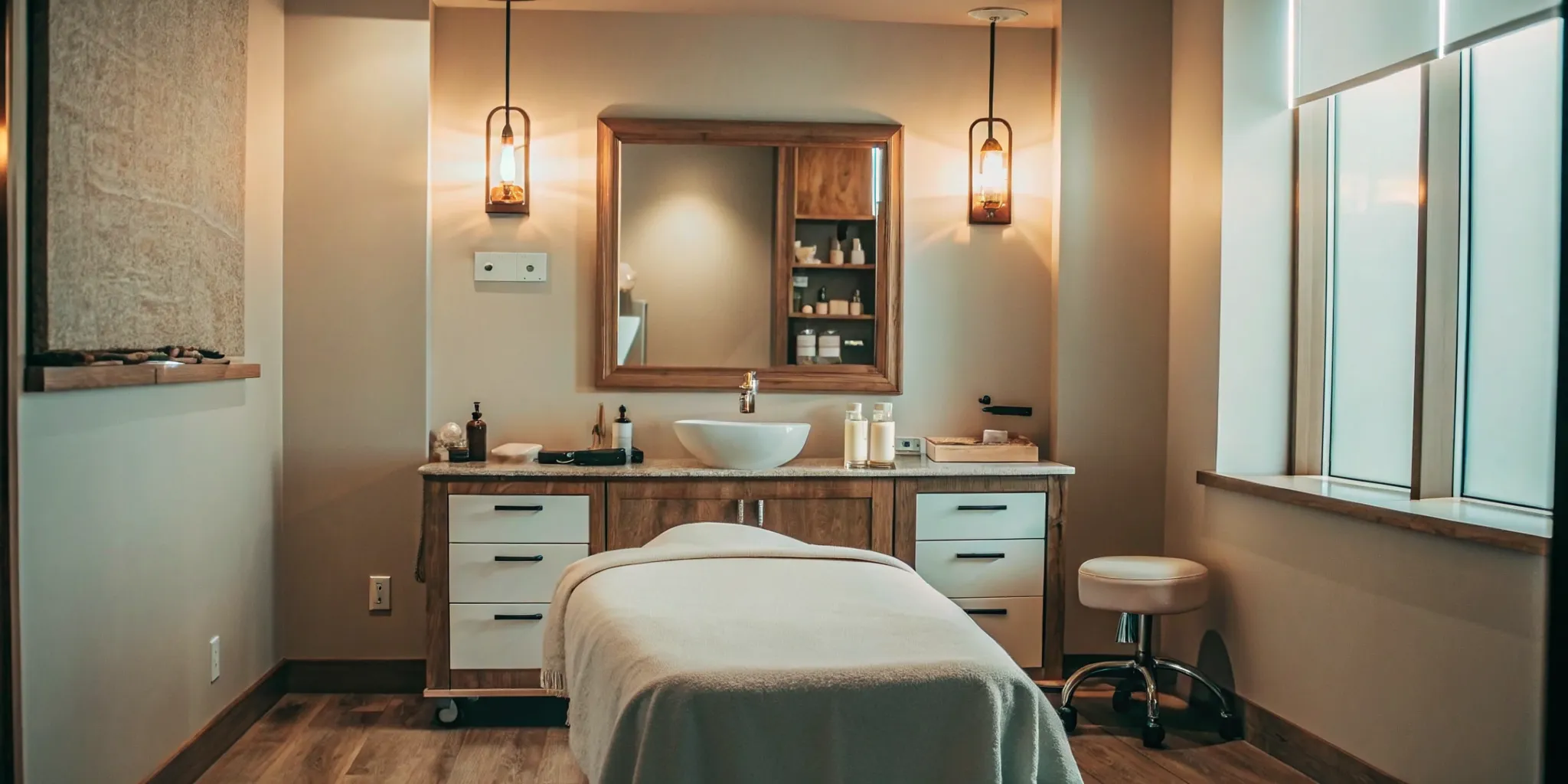
Look for smooth, easy-to-clean surfaces and a setup that keeps clean items apart from used tools and waste. Confirm that the room can support the sanitation steps required for your services. Before signing, research local zoning and licensing rules for the space, as advised by Southwest Institute of Natural Aesthetics.
Closed cabinets and drawers help keep products, linens, and tools clean and out of sight. Open shelving can hold display items, but it should not become a clutter zone. Check that storage is deep enough for your supplies and easy to reach during treatment.
- Separate storage for clean and used linens
- Covered waste bins placed within easy reach
- Space for products, tools, and cleaning supplies
- A layout that allows quick cleaning between clients
Utilities, comfort, and safe access
Test the outlets, lighting, water, internet connection, heating, and cooling. Ask which utilities are included and who handles repairs. Reliable electricity and climate control help keep equipment working and clients comfortable. Adjustable task lighting should support detailed work without making the room harsh.
Client comfort depends on small details during longer services. Confirm there is room for a chair, hooks, and a place for personal items. Notice noise, odors, room temperature, and hallway traffic during your visit.
Inspect the full client route, not just the suite. Check parking, exterior lighting, entry doors, hallways, restrooms, and access during evening appointments. Ask how the building is secured and who is present when problems arise. An on-site manager can help with shared space and property needs.
- Working outlets in useful locations
- Dependable water, internet, heating, and cooling
- Comfortable seating and soft, adjustable lighting
- Clear building access during every scheduled hour
- Safe parking, entrances, hallways, and exits
Private suite vs. shared treatment room
A private suite and a shared treatment room can both give an esthetician a place to serve clients. Yet they support different stages and styles of business. A shared room may suit a new practice testing demand. A private suite offers a dedicated setting for greater privacy, control, and brand independence.
Privacy and the client experience
Esthetic services can involve personal skin concerns and quiet treatment time. In a private suite, closed doors and control over sound help clients speak freely and relax. An academic guide notes that private suites can help maintain confidentiality and give clients peace of mind.
A shared treatment room may expose clients to nearby talk, foot traffic, or schedule changes. The esthetician may also need to reset the room after another renter. A private suite makes the visit more consistent. The same lighting, music, scent, layout, and welcome can greet each client.
| Decision point | Private salon suite | Shared treatment room or booth |
|---|---|---|
| Privacy | Dedicated room with a closed door | Privacy depends on the space and other renters |
| Brand control | Set your own look and client flow | Work within a shared look and rules |
| Schedule | Set hours around your clients | Book from the time slots offered |
| Setup | Keep tools and products in place | Pack, move, or reset supplies often |
| Growth | Build a stable home for your brand | Test demand with less commitment |
Control over daily work
With a private esthetician room for rent, the professional controls more of the workday. You can set service prices, choose products, plan appointment gaps, and arrange tools for your process. That freedom also means taking charge of booking, supplies, cleaning, marketing, and client care.
Shared rooms can offer flexible terms, sometimes by the hour or day. This can reduce commitment while a new esthetician builds a client list. The tradeoff is less control over available hours, storage, room setup, and the client experience. These limits can become harder to manage as bookings grow.
A path for business growth
The right choice depends on client volume, cash flow, and the type of experience you want to provide. A shared room can be a practical starting point. A private suite often fits an esthetician ready to create a clear brand, keep a steady schedule, and serve repeat clients.
Before evaluating suite ownership, compare the full lease terms with your current needs. Check access hours, privacy, storage, utilities, maintenance, and support. Then weigh those details against the control and consistency your growing practice needs.
How do you evaluate the true cost of a suite?
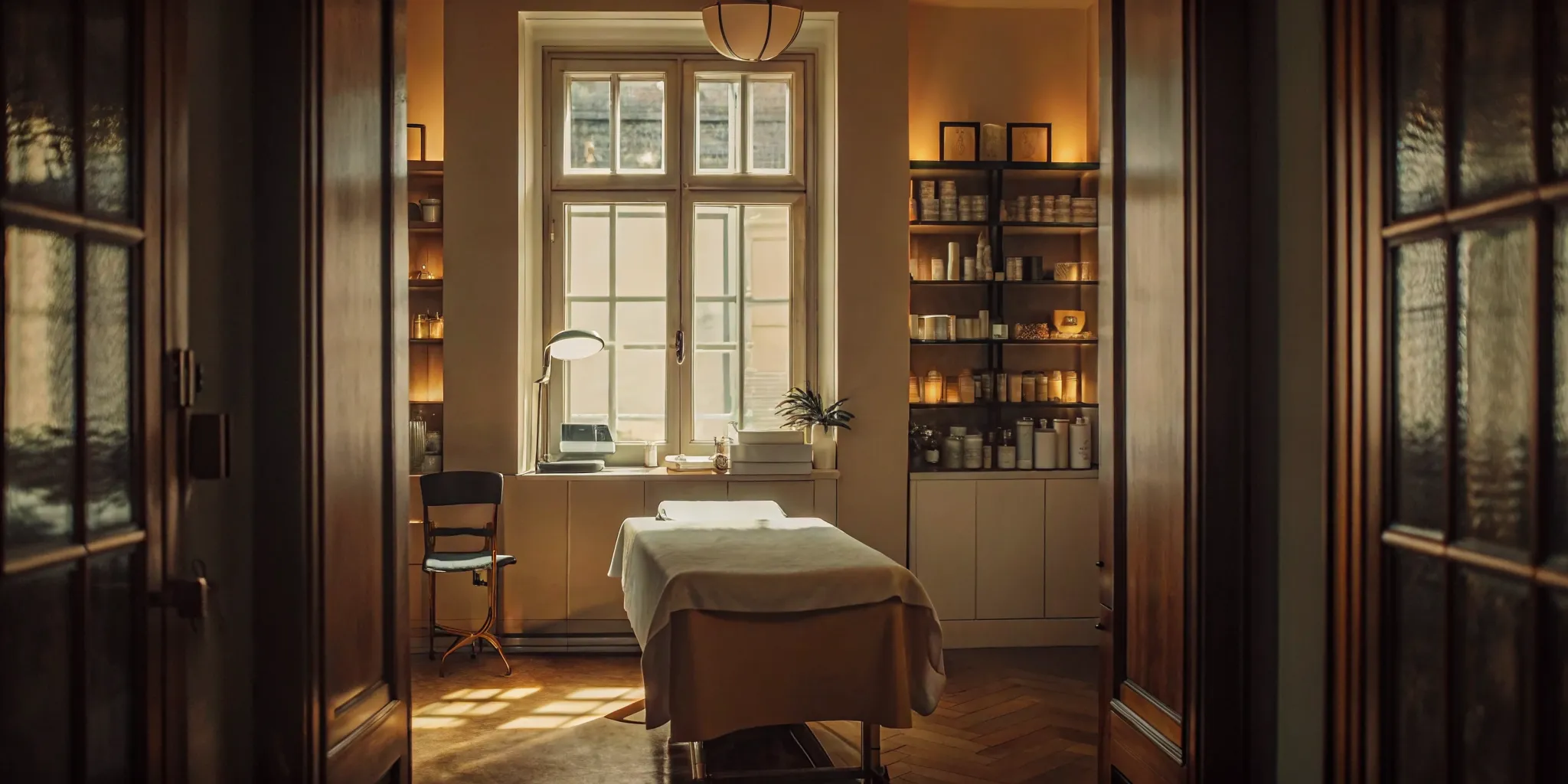
The lowest advertised rent is not always the lowest-cost choice. When reviewing an esthetician room for rent, compare the full lease value instead of one recurring payment. The right review shows what you must pay, manage, and supply before serving clients.
What is included?
Rental space can become one of an aesthetics business’s largest recurring expenses. A cost planning guide recommends reviewing deposits and negotiating exactly what the lease includes. Ask for every inclusion and fee in writing, then compare each option on the same timeline.
A six-step due diligence review
Use the same review process for every space you tour. A consistent process makes tradeoffs clear and helps prevent overlooked costs from shaping your decision later.
-
Request a written cost sheet. Record rent, deposits, move-in costs, renewal changes, late fees, and any charge tied to shared areas. Do not rely on a tour conversation or verbal estimate.
-
List the included essentials. Confirm water, electricity, heating, cooling, internet, storage, laundry access, waste service, and cleaning. Check that all essential utilities work and that the lease states who pays for them.
-
Map the costs you will still carry. Include insurance, licenses, supplies, equipment care, booking tools, marketing, laundry, and repairs. Separate setup costs from recurring costs so you can see your ongoing cash needs.
-
Test access and daily operations. Verify entry hours, parking, security, restroom access, delivery rules, noise, and room privacy. Ask who handles maintenance, how fast problems are addressed, and whether support is on-site.
-
Read the contract as an operating rulebook. Note the lease length, renewal terms, notice periods, permitted services, signage rules, insurance terms, and exit fees. Confirm who pays when plumbing, climate control, or built-in equipment fails.
-
Compare value against your working plan. Estimate how the room’s access, support, location, and included services affect your schedule and workload. Choose an option that supports stable operations, not simply the lowest advertised rent.
Support and contract fit
Support has financial value when it saves time or prevents service delays. Ask whether a manager is available on-site, which issues they handle, and what happens outside normal hours. Before you review a suite lease, confirm that each promised service also appears in the contract.
Review the agreement for limits that could affect your work. Check whether you can set your hours, brand the room, sell products, and offer every licensed service you plan. Ask for written answers when a term is unclear.
Which licensing and compliance questions matter?
Before signing for an esthetician room for rent, confirm that your planned services are allowed in that space. Licenses, treatment rules, and facility standards can differ by state and local area. Treat this review as business due diligence, not as a quick lease formality.
License and treatment scope
Start with the state board that regulates esthetics, then check city or county rules. Ask whether your current license covers each treatment you plan to offer. Advanced devices, chemical services, or other specialized treatments may fall under separate rules or require added training.
Confirm whether the room, suite, or full salon needs its own facility license. Also ask if the business needs local permits or zoning approval. An academic guide for aesthetics businesses advises owners to research local zoning and licensing before signing any lease. Get answers from the proper agencies in writing when possible.
Insurance and sanitation duties
Ask an insurance agent which policies fit your services, products, equipment, and rental agreement. The lease may set minimum coverage or require proof of insurance before move-in. Professional liability insurance can help protect both you and your business from service-related risks, according to this aesthetic business cost guide.
Next, map out who handles each sanitation task. Ask who cleans shared areas, removes waste, manages laundry, and responds to spills or maintenance issues. Confirm that the room supports the cleaning steps and product storage rules set by your licensing authority. Written duties prevent confusion after you open.
Facility approval before signing
Walk through the room with your treatment list in hand. Check the plumbing, ventilation, electrical supply, surfaces, storage, and access to required sanitation areas. Ask whether proposed fixtures, signs, or equipment need approval from the landlord or a local authority.
Before you review a suite lease, request copies of the lease, facility approvals, and any building rules. Compare those records with guidance from your state board, city, insurer, and qualified legal or tax advisers. If a requirement is unclear, pause the signing process until the proper authority confirms it.
How does location shape client retention?
A good location makes each appointment easier for clients to keep. When an esthetician room for rent is hard to reach, even loyal clients may hesitate to rebook. Review the full trip from a client’s point of view, not just the room itself.
Parking, entry, and daily access
Start with the practical details clients face before treatment begins. An aesthetics school recommends checking parking and entry access before renting a space. Visit during your busiest planned hours to see whether parking stays open and the entrance is easy to find.
Then test the route from the parking area to the suite. Look for clear signs, accessible paths, working elevators, and a comfortable waiting area. Ask whether clients can enter during every hour you plan to take bookings, including evenings and weekends.
Security matters when appointments start early or end late. Check exterior lighting, door controls, cameras, and the process for handling a locked entrance. Clients should know where to go and how to reach you without added stress.
Visibility and nearby businesses
A visible location can help new clients notice your business between planned marketing efforts. Signs should make the building and suite easy to spot from common routes. Also check whether the property allows your business name on its directory and exterior signs.
Nearby businesses can support growth when they serve a similar client base without offering the same treatments. Hair, nail, fitness, and wellness businesses may create natural chances for referrals. They can also let clients plan several personal care stops in one trip.
Observe the area at different times of day. Note traffic, lighting, noise, and how active nearby businesses remain. This check can show whether the setting fits the calm, professional experience you want clients to remember.
A client convenience check
Before signing, ask a few current clients to review the route and share honest feedback. Compare travel time with your current workplace and your clients’ usual neighborhoods. A lower rent may not help if the move makes repeat visits harder.
Use the Salons by JC find-a-location page to compare options near your client base. For a broader lease review, read these tips on how to lease a salon suite. Together, these checks help you choose a room that supports smooth visits, repeat bookings, and steady growth.
What support helps an independent esthetician thrive?
When comparing an esthetician room for rent, do not stop at room size and weekly rent. Support affects how much time you can spend with clients and how often small property issues interrupt your day. A strong suite provider protects your independence while helping the shared location run well.
On-site help that keeps the location running
Ask whether support is on-site, full-time, and easy to reach during business hours. Every Salons by JC location has a full-time Concierge Manager who supports suite owners and helps maintain property operations. That model gives you a clear point of contact without placing a manager inside your business.
During a tour, ask what the Concierge Manager handles and what remains your responsibility. Discuss property concerns, shared-area upkeep, deliveries, guest questions, and urgent issues. Clear answers show whether operational help is part of the daily experience or only a promise in the lease.
A professional community without lost control
Independence should not mean working in isolation. A location with hairstylists, nail techs, and other beauty professionals can create natural chances for connection and referrals. Research on choosing an aesthetics space notes that nearby complementary services can encourage clients to bundle services during one trip.
Community support should still leave you in charge of your own brand. You should control your services, pricing, schedule, client relationships, decor, and marketing. If you are considering renting a salon suite, ask how the provider supports connections without setting rules for your client experience.
Amenities that provide practical value
Premium amenities matter only when they make your workday smoother or improve the client visit. Look beyond polished finishes and ask what is included, maintained, and available each day. Useful support may cover shared-area care, reliable utilities, internet access, climate control, convenient entry, parking, and secure access.
- Who handles a maintenance concern, and how quickly can you reach that person?
- Which utilities and shared services are included in rent?
- How are common areas maintained throughout the business day?
- Can clients enter easily, park nearby, and find your suite?
- Which parts of the suite can you change to reflect your brand?
Review each amenity as a business tool, not a bonus. Electricity, water, climate control, and internet help keep a treatment space functional. An aesthetics business guide recommends asking whether utilities are included in the lease, since missing items can change your real monthly cost.
Questions to ask before signing a salon suite lease
The client journey and room function
Walk through the full client visit before choosing an esthetician room for rent. Start at the parking area, follow the entry path, and enter the suite as a client would. Easy parking and entry can shape whether clients return, according to Southwest Institute of Natural Aesthetics.
Inside, test the room against your actual service flow. Place the treatment bed, stool, cart, devices, linens, and products on a rough floor plan. Then confirm that you can move around the bed, reach supplies, clean surfaces, and give clients privacy.
- Is there enough storage to keep tools and products out of sight?
- Do the lighting and outlets support each treatment you plan to offer?
- Are water, power, internet, heating, and cooling reliable?
- Can clients hear private conversations from nearby suites?
- Are restrooms, shared areas, and entrances clean and easy to reach?
- Can the room support new equipment or a broader service menu later?
Visit during a busy period, not only during a quiet tour. Listen for noise, check hallway traffic, and note how the space feels with several clients present. Ask who handles maintenance issues and how fast repairs are usually addressed.
Lease terms and business control
Read every cost and rule before you lease a salon suite. Ask for the base rent, deposit, fees, due dates, renewal terms, and late-payment policy in writing. Confirm which utilities, shared amenities, repairs, and support services are included.
- How long is the lease, and what happens when it ends?
- Can rent or other fees rise during the term?
- What are the rules and costs for ending the lease early?
- Who pays for damage, repairs, and required room changes?
- Are there limits on hours, prices, products, decor, marketing, or guests?
- What licenses, insurance, and permits must you provide?
Do not rely on a verbal promise about independence. If the provider says you keep 100% of service revenue, confirm that point in the signed lease. Also verify that you can set prices, manage bookings, choose products, and build your own brand.
Support and long-term fit
Ask what support is present after move-in. A tour host may not be the person who handles daily needs. Learn who receives packages, manages common areas, responds to building concerns, and helps when a client needs directions.
Compare the room with your goals for the next few years. Consider whether the location can help you retain clients, raise your profile, and add services without another move. If you are still considering renting a salon suite, compare projected sales with every fixed and changing cost.
Before signing, request a blank lease and take time to review it. Record each answer, and make sure any promised change appears in the final agreement. A suitable room should work on opening day while leaving space for your business to grow.
Once you have your questions ready, review available suite leasing options at Salons by JC to see how a private esthetician room compares with the terms and support you need.
Frequently Asked Questions
What should an esthetician look for in a room for rent?
Look for a private room with enough space for a treatment bed, equipment, storage, and safe movement between work areas. Check privacy, lighting, ventilation, cleanliness, security, parking, and client access. Confirm the lease clearly explains utilities, maintenance, permitted services, and renewal terms. A location near complementary beauty or wellness businesses may also support referrals.
How much does an esthetician room for rent cost?
Esthetician room rent varies by location, room size, lease length, and included amenities. At Salons by JC, weekly salon suite rent averages $230 to $300. Compare the full occupancy cost, not rent alone. Ask whether utilities, internet, furniture, maintenance, security deposits, and shared-area fees are included before comparing options.
Can I rent an esthetician room for just a day?
Some shared salons and co-op spaces offer hourly or daily rentals, which can help professionals test demand without signing a full-time lease. The Southwest Institute of Natural Aesthetics notes that flexible terms may be available by the hour or day. Confirm scheduling rules, storage access, insurance requirements, sanitation duties, and allowed services before booking.
What licensure requirements apply when renting an esthetician room?
Licensure requirements vary by state, city, and the services offered. A professional may need an active esthetics license, business registration, liability insurance, and location-specific permits. Some treatments require additional training or credentials. Before signing, verify that local zoning allows the intended services and ask the licensing board whether the room itself needs inspection or approval.
What amenities should be included in a professional esthetician suite?
A professional esthetician suite should have reliable electricity, climate control, internet access, suitable lighting, secure storage, and access to clean water when services require it. The layout should support a treatment bed and equipment without restricting movement. Also check sound privacy, restroom access, waste disposal, laundry options, parking, security, and whether an on-site manager handles property concerns.
Ready to Find the Right Esthetician Room?
Waiting for the perfect moment can keep you paying commission, limiting your schedule, and working in a space that does not fit your services. Starting your search now gives you time to compare rooms, understand lease terms, and choose a setting that supports your business goals. A thoughtful tour can help you see how each room feels, ask practical questions, and plan your move without rushing.
Ready to take the next step toward your own esthetician room? Book a tour with Salons by JC to explore available suites and speak with a team member about what you need. Start now so you can make a confident choice and build a timeline that works for you and your clients.