
A client-ready beauty studio for rent should support your first appointment, not become your first renovation. Before signing a lease, look past attractive finishes and inspect the tools, systems, privacy, and on-site support behind them.
Find a Salons by JC location and book a tour to see how a private suite could support your independent brand.
A beauty studio for rent is client-ready when you can welcome clients and deliver services safely from day one. Look for a professional chair, sink, secure storage, reliable utilities, WiFi, convenient access, cleanable surfaces, and enough room for your specialty. Dependable property support should also keep maintenance issues from disrupting your schedule.
The right lease removes operational friction before your first client walks through the door. Next, Beauty studio for rent: the client-ready checklist breaks down what to inspect, what to confirm, and which support features can protect your time. The path begins with
Beauty studio for rent: the client-ready checklist
A client-ready studio is more than an empty room with a chair. It should let you welcome a booked client without first fixing the space. When touring a beauty studio for rent, inspect it through your client’s eyes and your own work routine.
First impressions and privacy
Start at the main entrance, then follow the full path to the studio. Look for clear signs, clean shared areas, and a waiting space that supports a calm arrival. Inside, confirm that doors close well and conversations cannot be heard from nearby suites.
- Check whether clients can find the studio without calling for directions.
- Stand outside the closed door and listen for sound from within.
- Notice odors, clutter, worn surfaces, and other details clients may see first.
- Confirm that the room offers enough space for clients to enter and sit with ease.
Privacy also shapes the service experience. It matters during consultations, personal care, and any visit where a client shares private details. Before choosing your first salon suite, ask how the facility handles guests, deliveries, and access after normal hours.
Cleanliness, lighting, and essentials
A clean-looking room is only the starting point. Inspect floors, corners, counters, sinks, and shared restrooms for signs of steady care. Research on beauty centers links poor safeguards with the spread of microorganisms. That makes routine hygiene checks a key part of your tour.
Test the lighting where you will consult, mix products, and perform services. Look for even light that helps you see true color without harsh shadows. Then test each sink, outlet, and fixture instead of assuming it works.
- Run hot and cold water, then check water pressure and drainage.
- Confirm that outlets sit near the places where tools will be used.
- Ask which utilities, WiFi services, and maintenance tasks are included.
- Open every cabinet and measure storage for tools, stock, linens, and cleaning supplies.
A real-service workflow test
Picture one of your busiest services from arrival through checkout. Walk each step while noting where you will store supplies, sanitize tools, discard waste, and take payment. The right layout should cut needless steps and keep clean items apart from used ones.
Bring a short list of your largest tools and most common products. Check that they fit without blocking the client path or crowding your work area. Also ask who handles repairs, how fast issues are addressed, and whether on-site support is available.
Before signing, return at the time you expect to work most often. Check parking, building noise, temperature, lighting, and WiFi under normal conditions. A space is client-ready only when its daily setup supports safe service and a smooth visit.
Why do privacy and brand control matter?
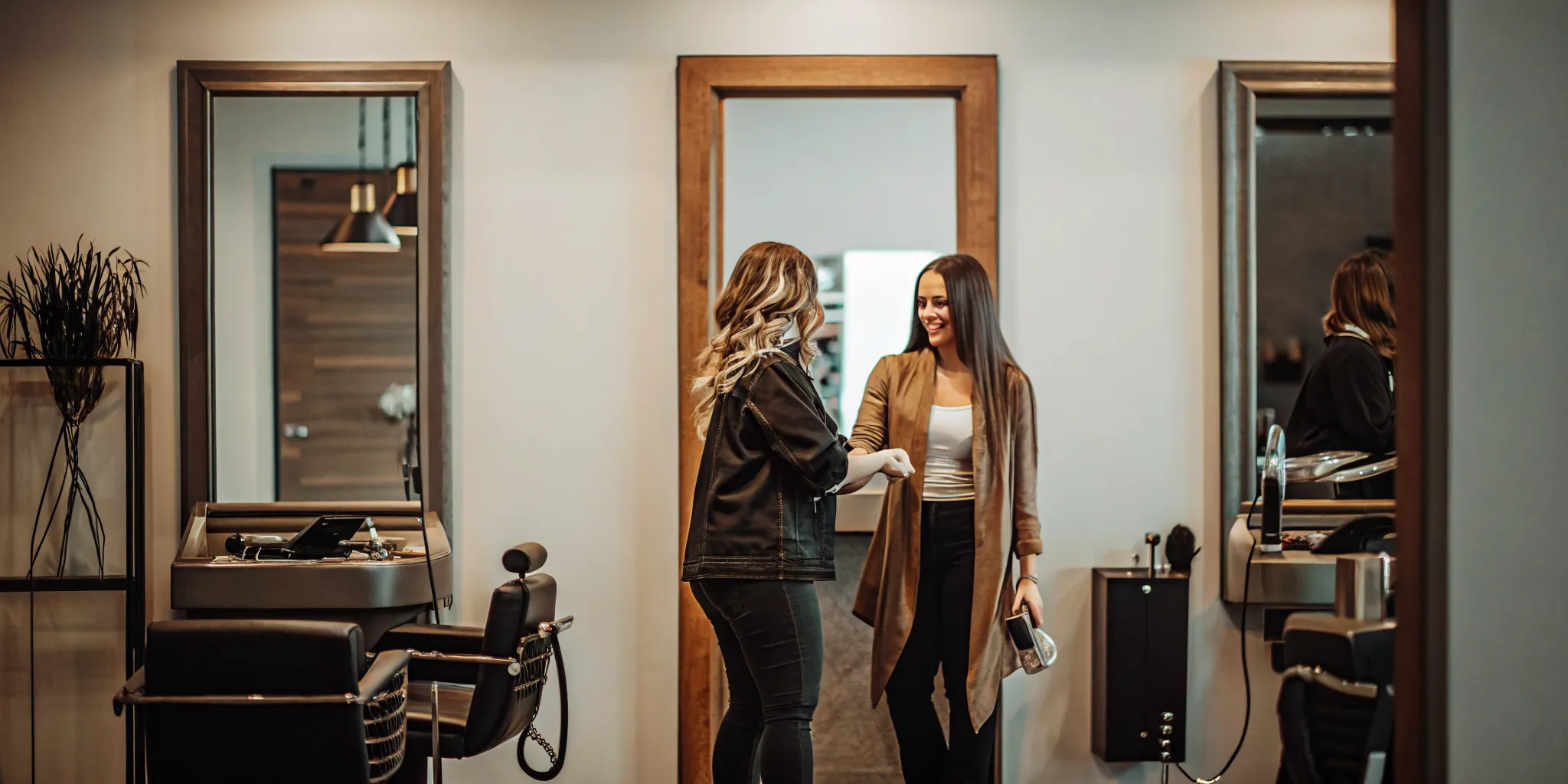
A private salon suite changes how clients experience an appointment. Instead of sharing an open floor, you can welcome each client into a calm space built around their needs. That separation can make personal consultations feel less exposed and help clients speak openly about their goals.
A more comfortable client experience
Privacy matters during services that call for close attention or sensitive talks. A client may want to discuss hair loss, skin concerns, or a major style change without nearby conversations. In a private suite, you can listen closely and keep the visit focused.
You also control the pace and mood of the room. Music, lighting, scent, and conversation can match the experience you want to offer. Clients who prefer a quiet visit can relax without the noise and foot traffic of a shared salon floor.
Privacy also supports clean, steady work habits. Research on beauty centers notes that poor safety steps can raise the risk of spreading microorganisms. A private room gives you direct oversight of your setup, tools, and cleaning routine. Biosafety guidance for beauty centers can inform those choices.
Your brand in a physical space
Your suite is more than a treatment room. It is a place where clients can see what your independent business stands for. You choose the decor, service menu, retail display, and small details that shape each visit.
That control helps create a clear and steady brand experience. A color specialist may display bold work and use bright design. An esthetician may choose a softer setting that supports quiet consultations. The goal is not to copy a larger salon. It is to build a space that fits your work.
Before planning a move to a private suite, think about how the room will support your clients and brand. Look beyond appearance. Consider storage, service flow, privacy, and how each detail will work during a full day.
Business ownership, not salon shopping
Searching for a beauty studio for rent is a business decision for a licensed beauty professional. It is not the same as a consumer searching for a salon appointment. The professional leases the suite, runs the client experience, and builds an independent brand within that space.
This form of suite ownership refers to owning and operating the business, not buying the real estate. You take charge of your schedule, services, policies, and client relationships. The suite becomes the setting for your business, while the lease defines your use of the space.
Which amenities make a studio easier to operate?
A beauty studio for rent should support your work from the first client through closing. During a tour, look beyond decor and test how the space handles a normal service day. The right setup cuts small delays, limits extra purchases, and helps you keep your attention on clients.
Core features for daily work
Start with the items needed for safe, smooth service. Check the styling chair, sink, water pressure, lighting, outlets, ventilation, and secure storage. Ask whether WiFi and utilities are included. Confirm when you can enter the building, since access rules may shape your schedule.
Inspect clean-up areas as closely as the suite itself. Beauty spaces need sound hygiene practices because poor controls can raise the risk of spreading microorganisms. A review of hygiene conditions in beauty centers supports regular checks of these spaces. Look for easy-to-clean surfaces, waste areas, and room to keep clean tools apart from used ones.
Essential versus differentiating features
Essential amenities let you perform services without workarounds. Differentiating features reduce the time and effort needed to run the wider business. Use this table during each tour, then note which benefits are included in the lease.
| Area | Essential baseline | Differentiating support |
|---|---|---|
| Suite setup | Working sink, chair, outlets, and storage | Move-in-ready layout with room to personalize |
| Building access | Hours that fit your booked schedule | Flexible access with clear security steps |
| Business services | Reliable WiFi and utilities | Simple, all-inclusive billing |
| Client experience | Clean common areas and clear signs | Welcoming shared spaces and on-site help |
| Operator support | Responsive property contact | Full-time Concierge Manager |
Also check what the lease does not cover. You may need to bring tools, retail displays, towels, cleaning supplies, or added furniture. A clear list helps you compare the true setup effort across studios.
Support behind the suite
A strong facility also helps when issues fall outside your service work. Ask who handles repairs, accepts deliveries, explains building rules, and helps new renters settle in. Salons by JC includes a full-time, on-site Concierge Manager for onboarding, business coaching, and property management.
Test that support during the tour. Ask a practical question and note whether the answer is clear and prompt. When comparing salon suite options, review both the physical amenities and the people responsible for keeping them useful.
Explore salon suite locations near you and schedule a tour with this checklist in hand.
How to evaluate a beauty studio during a tour
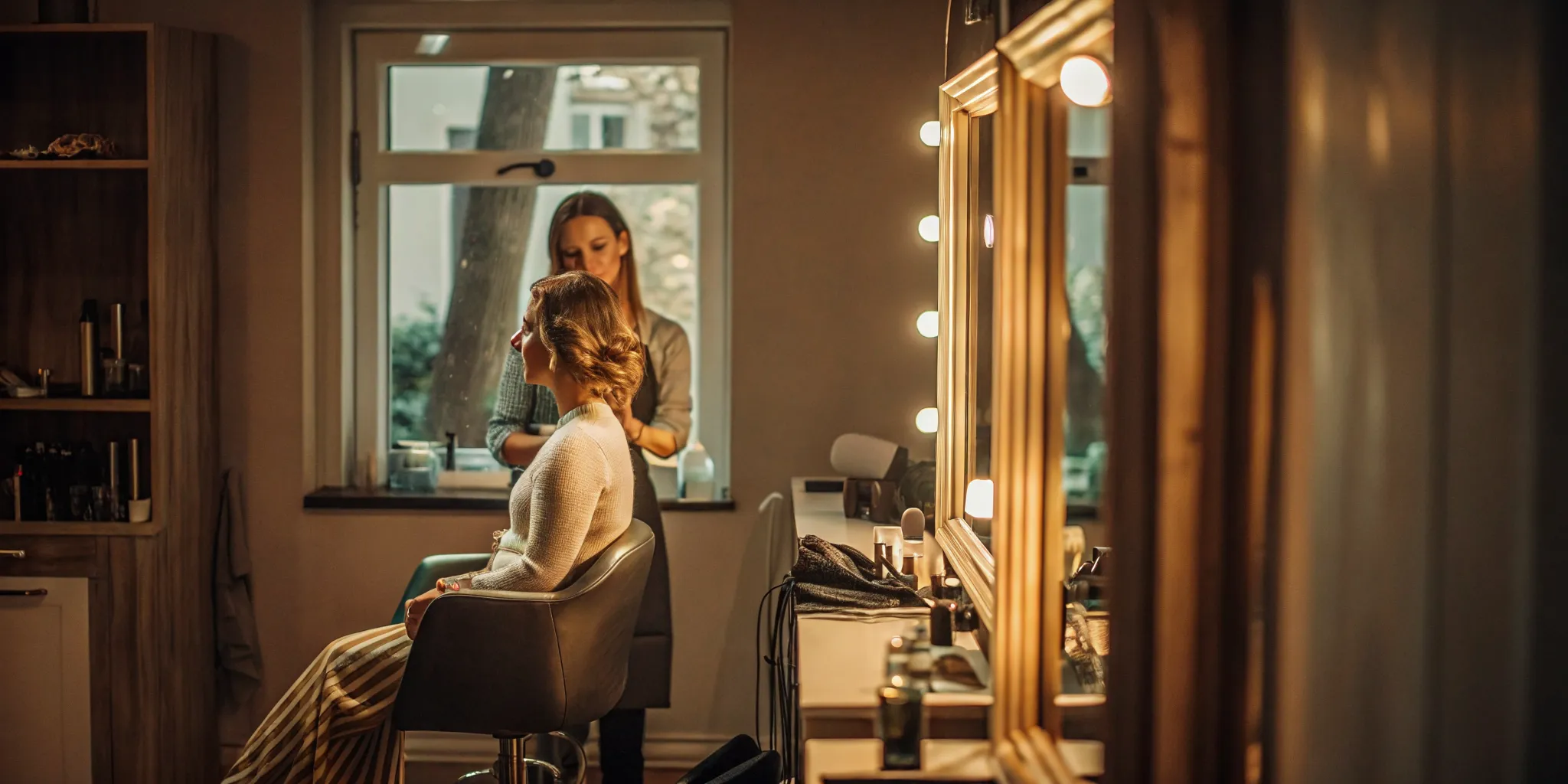
A tour should test how the studio works during a normal service day, not just how it looks. Bring a written checklist, your key tools, and questions about the lease. This practical approach can help when evaluating a suite rental.
Before the tour
List the services you plan to offer and the equipment each service needs. Note your storage, water, power, lighting, ventilation, privacy, and access needs. Ask to tour while other professionals are working, if possible. You will get a clearer view of noise, traffic, and shared-space upkeep.
Bring a tape measure and confirm that your chair, cart, table, and tools fit without blocking movement. Also ask whether you may test sinks, outlets, WiFi, locks, and building access during the visit.
A five-step studio test
-
Walk through a full service. Enter as if you are starting work, set up your tools, and move through each service stage. Check whether supplies stay close at hand and whether cleanup feels simple.
-
Test the client arrival. Start at the parking area or transit stop, then follow the route to the studio. Check signs, entry access, waiting space, restrooms, lighting, and accessibility along the way.
-
Inspect safety and sanitation. Look for clean shared areas, working water, waste handling, and enough room to disinfect tools. Research shows that poor safeguards can raise microorganism transmission risk in aesthetic and beauty centers.
-
Verify what is included. Ask which furniture, fixtures, utilities, WiFi, repairs, security, and common-area services come with the rent. Confirm who handles problems after hours and how fast repairs are addressed.
-
Review the full lease. Check the rent schedule, deposit, term, renewal rules, insurance needs, added fees, and exit terms. Ask which changes you may make to the studio and what approval they require.
Lease and licensing questions
Ask the manager to explain each lease inclusion in plain terms, then request those details in writing. A move-in-ready suite may include a chair, sink, storage, and around-the-clock access. Still, confirm the exact items offered at that location before securing a beauty studio for rent.
Licensing rules can vary by state, city, profession, and service type. Contact the local licensing board and health department before signing. Confirm your professional license, business registration, facility permits, inspection steps, and sanitation rules. Ask whether the property already holds any required site-level approvals.
Finish by rating each studio against the same checklist. Separate must-haves from items you could add later, then note every open question. Request a second visit if the first tour does not show evening access or client traffic. It can also reveal the support available on a busy day.
Is the studio ready for your business model?
Appearance matters, but an attractive room does not prove that a studio can support your daily work. A beauty studio for rent should fit how you earn, schedule clients, sell products, and manage costs. Before signing, look past the decor and test the space against your actual business plan.
Control over revenue and client service
Start by confirming which business choices remain yours. In the Salons by JC model, independent professionals can set their schedules and keep the revenue generated from their services. Still, keeping revenue is not the same as keeping profit. Your take-home profit depends on rent, supplies, taxes, insurance, card fees, and other business costs.
Ask whether you can set service prices, choose booking tools, accept your preferred payment methods, and sell retail products. Check for limits on operating hours, product lines, signs, music, guests, and studio decor. These details shape your brand and the experience clients receive. A guide to building your independent salon business can help you compare the suite model with your current setup.
Predictable costs and daily operations
A clear rental structure makes planning easier. Request a full list of recurring charges and ask which utilities, internet services, maintenance tasks, and shared amenities are included. Also ask about deposits, rent increases, late fees, renewal terms, and costs for leaving early. Put each answer into a monthly budget before deciding whether the studio fits.
Then map a normal workday from arrival through closing. Check building access, parking, waiting areas, laundry options, waste removal, security, storage, and help when something breaks. Confirm that the room supports your services and sanitation routine. Research on hygiene conditions in beauty centers shows why ongoing safety checks matter, not just a clean first impression.
Questions to ask before signing
Bring a written list to each tour, then request clear answers in the lease or related documents. Key questions include:
- Can I set my own prices, hours, booking rules, and cancellation policy?
- May I sell retail products, and does the property take any share of sales?
- What does the base rent include, and which costs can change?
- Does the studio have the power, plumbing, ventilation, storage, and privacy my services need?
- Who handles repairs, common areas, client concerns, deliveries, and building security?
- What are the lease term, renewal process, notice period, and early-exit terms?
Finally, compare those answers with your client volume, service menu, and cash-flow plan. Move-in-ready features can reduce setup work, but they do not replace a sound budget. Salons by JC describes its suites as including styling chairs, sinks, storage, and building access. Review the stated suite features and support, then confirm what applies at the location you are considering.
Will the space fit your specialty and clients?
A beauty studio for rent should support the way you work, not just look polished during a tour. Start with your usual services, tools, and client needs. Then walk through a full appointment in the space, from arrival to checkout. This test can expose tight paths, missing work zones, or storage gaps before you sign.
Your equipment and service setup
Hairstylists and barbers should check the chair position, mirror view, sink access, outlets, and space around each work area. Make sure cords and tools can stay clear of the client’s path. Confirm where you can store color, towels, clippers, and daily supplies. A move-in-ready suite may include a styling chair, sink, and storage, but you should verify the exact setup.
Estheticians, nail techs, and other licensed beauty professionals often need a different layout. Think about room for a treatment table or nail station, task lighting, equipment, linens, and secure product storage. Ask whether the space can support any added plumbing, power, or ventilation your services need. Get approval for changes in writing before planning your setup.
Sanitation, ventilation, and privacy
Your studio needs a clear plan for cleaning tools, storing clean and used items, and handling waste. Good hygiene practices matter because poor controls can raise the risk of spreading microorganisms in beauty settings. This review of biosafety in beauty centers explains why owners should keep checking health and safety conditions.
Do not assume that one studio setup fits every service. Ask how ventilation works and whether your planned products or equipment affect what is allowed. Check access to handwashing, easy-to-clean surfaces, and space that keeps supplies organized. Your local rules and licensing body can help you confirm which standards apply to your specialty.
Privacy also shapes the client experience. A hairstylist may want an open, social feel, while an esthetician may need a quiet room with a closing door. Test sound levels from nearby studios and shared halls. If clients change clothes or receive close-contact services, confirm that the layout protects their comfort and privacy.
Client flow and daily comfort
Picture clients entering with coats, bags, mobility aids, or a companion. They should be able to reach the chair or treatment area without moving equipment. Check the route to restrooms, the waiting area, and the exit. Also note whether the studio has room for payment, rebooking, retail items, and aftercare talks.
Bring a short service checklist when touring and measure the items you plan to use. The guide to reviewing salon suite essentials can help you review wider lease concerns. A space is a strong fit when it supports safe work, smooth visits, and your specialty’s daily routine.
What should you confirm before signing?
A tour shows how a studio looks, but the lease explains how it will work. Before securing a beauty studio for rent, ask direct questions and compare every answer with the written agreement. If a promise is not in writing, ask for it to be added.
Costs, access, and daily support
Start by asking exactly what the rent includes. Confirm whether utilities, WiFi, furniture, laundry, common-area cleaning, parking, and marketing support are part of the rate. Also ask about deposits, setup costs, late fees, rate changes, and any other charges.
Confirm when you and your clients can enter the building. Ask how after-hours access, guest entry, security, and holiday schedules work. A move-in-ready suite may include chairs, sinks, storage, and 24/7 access. Still, verify the exact features of your chosen studio in the lease.
- Who handles plumbing, electrical work, equipment repairs, and common-area upkeep?
- How quickly are repair requests addressed, and who is the main contact?
- Are there limits on noise, visitors, product storage, or shared spaces?
- What support does the on-site manager provide after move-in?
Licensing, insurance, and studio changes
Ask which licenses, permits, and insurance policies you must maintain. Requirements can vary by service and location, so confirm them with the right state and local offices. You should also learn who checks compliance and what records the property manager needs.
Review the rules for sanitation, waste, ventilation, and storage. Research shows that beauty centers need sound safeguards and regular condition reviews to reduce the spread of microorganisms. Use those findings on salon hygiene and safety to guide questions about cleaning duties and shared areas.
Your brand should fit the space, but the lease may limit changes. Get written approval rules for paint, signs, shelving, lighting, wall fixtures, and equipment. Ask whether you must restore the studio when you leave and who pays for that work.
Renewal and exit terms
Read the full term, renewal process, and notice deadlines. Ask when rent can change and whether renewal is automatic. Find out what happens if you need to leave early. Review any transfer, sublease, default, and deposit-return terms before signing.
Take the agreement home and read it without pressure. Mark unclear terms, request written answers, and keep a copy of every approved change. A careful review protects your budget, schedule, and ability to run the studio as planned.
Frequently Asked Questions
Is renting a beauty studio worth it?
Renting a beauty studio can be worthwhile for an experienced, licensed beauty professional with an established clientele and a realistic budget. It offers control over scheduling, pricing, services, and the client experience. Before signing, compare projected revenue with rent, supplies, insurance, licenses, taxes, and marketing costs. Also confirm which furnishings, utilities, maintenance services, and business support the lease includes.
How much is beauty studio rent per month?
Monthly beauty studio rent varies by market, suite size, amenities, and lease terms. According to Salons by JC, weekly pricing ranges from $230 to $300 with utilities and WiFi included. That equals roughly $997 to $1,300 monthly before any additional charges. Review the full lease and ask about deposits, insurance, maintenance, and other fees before comparing studios.
Do I need an LLC to rent a beauty studio?
An LLC is not always required to rent a beauty studio, but requirements vary by landlord, location, and service type. A professional may operate under another permitted business structure if local rules allow it. Before signing a lease, confirm required professional licenses, business registration, insurance, permits, and tax accounts. A local attorney or accountant can explain which structure fits the business and its risks.
What should I bring when touring a beauty studio for rent?
Bring your service and equipment list, a tape measure, a written question list, and notes about your busiest appointment workflow. Test the sink, outlets, lighting, storage, WiFi, privacy, parking, and building access. Ask for lease inclusions, fees, maintenance responsibilities, and modification rules in writing before deciding.
Ready to Find a Client-Ready Beauty Studio?
Waiting for the right studio can keep you working around spaces that do not support the client experience or business routine you want. Starting your search now gives you time to compare layouts, amenities, access, and support before you need to make a rental decision. An early tour also helps you picture each workday, identify setup needs, and choose a space that fits your services and clients.
Ready to take the next step toward an independent studio? Find a Salons by JC location and book a tour to explore available spaces and ask practical questions. Contact your preferred location now to start planning your move with a clearer timeline and without rushing the choice.