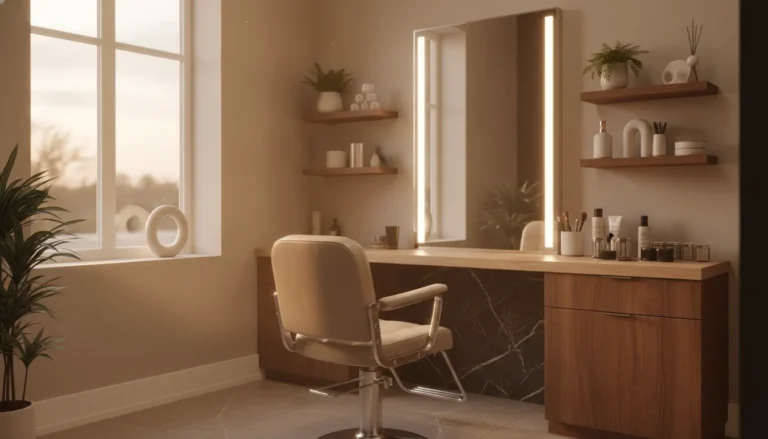

The closest suite can still be the wrong address for your loyal clients. A better choice protects their routine while giving your services room to run smoothly.
Salon suites near me should be compared by how well each location serves your existing clients and supports your daily work. Begin with real client travel patterns, parking, building access, traffic at appointment times, and nearby landmarks that make the address easy to find. During each tour, test the suite’s size, layout, lighting, storage, equipment, privacy, and fit for the services your clients already book. Confirm the amenities and support you will use every week, including reliable access, clean shared spaces, responsive help, and room for a smooth client visit. At Salons by JC, move-in-ready equipment and 24/7 access support your schedule, while a full-time, on-site Concierge Manager assists with daily property management.
The real question is not which listing sits closest to your home. It is which address lets clients arrive easily and helps you deliver a consistent visit. That is why the next section, Start with your clients, not the map pin, puts their routine first. Here is how.
Start with your clients, not the map pin
A nearby suite is not always the right suite. Start by mapping where your current clients live, then compare how each possible location affects their trip.
This client-first view helps protect the relationships that already support your business. One beauty school guide notes that a solid base of regular clients can support a move into an independent rental setting.
A client-location audit
Use a simple audit before searching for salon suites near me. You do not need exact home addresses. A ZIP code, neighborhood, or nearby landmark gives you enough detail to spot useful patterns.
-
List active clients from the past few months. Record only the area each client travels from, not private street details.
-
Plot those areas on a map. Look for clusters, common travel routes, and natural meeting points between the largest groups.
-
Choose two or three possible locations. Check drive times from each client cluster during your usual appointment hours.
-
Flag clients whose trip would become harder. Note added turns, tolls, highway changes, or routes with frequent delays.
-
Ask a small group of regular clients for direct feedback. Show them the options and ask which trip feels easiest.
-
Score each option using the same measures. Include drive time, neighborhood fit, parking, access, visibility, and lease terms.
Give more weight to active clients and frequent visits. A location that works for occasional clients but disrupts regulars may create avoidable booking risk.
Parking, access, and neighborhood fit
Drive time is only part of the trip. Visit each site when clients would usually arrive, then test the full route from road entrance to suite door.
Look for clear signs, easy turns, safe walkways, and parking near the entrance. Check whether doors, hallways, and restrooms work for clients with limited mobility. These details shape the private, professional experience that clients expect from a suite.
The surrounding area should also fit your service style and schedule. A busy retail center may aid daytime visibility, while calm evening access may matter more for after-work bookings.
Visibility versus client convenience
Street visibility can help new clients notice your business, but it should not outweigh access for the clients you already serve. Judge visibility as one part of the score, not the deciding factor.
Tour the building and ask how clients find the correct suite after entering. Also review on-site support, security, lighting, and access hours before you sign. These checks belong beside the broader renting a salon suite questions about equipment, terms, and daily operations.
Your strongest option will balance client travel with a setting that supports your business. Keep your audit scores and client feedback together, so the final choice rests on evidence rather than a convenient map pin.
What should you compare beyond weekly rent?
Weekly rent is only one part of a suite’s true cost. When comparing salon suites near me, list what each payment includes and what you must buy or manage yourself. A lower rate can lose its appeal once utilities, equipment, upkeep, and access limits enter the picture.
Included space and operating costs
Start with the items that keep your workday moving. Ask whether the suite includes a styling chair, shampoo bowl, mirror, storage, Wi-Fi, water, electricity, and waste service. Then confirm who handles repairs and how fast urgent issues receive attention.
Also tour the shared areas with a client’s point of view. Check the restrooms, hallways, waiting space, lighting, parking, and overall cleanliness. These details shape the visit without requiring you to add more services or decor inside your suite.
| Value area | Questions to ask | Why it matters |
|---|---|---|
| Suite setup | Which fixtures and furnishings are included? | Shows what you must buy before opening. |
| Utilities | Are water, power, Wi-Fi, and waste covered? | Reveals costs beyond weekly rent. |
| Security and access | When can you enter, and how is access controlled? | Affects scheduling and peace of mind. |
| Common areas | Who cleans and maintains shared spaces? | Shapes each client’s first impression. |
| Repairs | Who handles problems, and what is the response process? | Limits downtime and surprise work. |
| Lease and support | What are the term, exit rules, and on-site services? | Clarifies your commitment and daily help. |
Access, security, and lease terms
Access hours should fit the schedule your clients need. Ask how doors are secured, how guests enter, and what happens after hours. Review any rules for signs, visitors, music, retail products, and changes to the suite before signing.
Read the full lease, not just the rate sheet. Compare the term length, deposit, renewal process, notice period, late fees, and exit rules. The checklist in these tips for renting a salon suite can help you prepare questions before a tour.
Daily support and total value
Support has value because independent work includes tasks beyond serving clients. One beauty school guide notes that salon ownership brings a largely administrative role. Ask what help is available for property issues, deliveries, guest needs, and the day-to-day use of shared areas.
Finish by creating a simple monthly estimate for each option. Add rent, required fees, utilities, setup needs, and likely upkeep. Then weigh those costs against access, security, common areas, lease flexibility, and support. The strongest value is the space that fits your business with fewer hidden duties and fewer surprises.
Make sure the suite fits your services and brand
When you search for salon suites near me, do not judge a space by its address alone. A suite must support your daily services, client flow, and brand without forcing awkward workarounds. Tour each option with your normal workday in mind, from setup and cleaning to checkout.
Layout and service setup
Start by mapping how you and a client will move through the suite. Check the space around the chair, sink, treatment bed, or manicure table. You should be able to reach tools and supplies without blocking the door or making clients shift seats.
Hairstylists and barbers need room around the styling chair, easy sink access, and safe spots for hot tools. Estheticians may value a quieter layout, room for a treatment bed, and more privacy. Nail techs should ask how the space handles dust, odors, and fresh air.
- Confirm that outlets sit near the tools you use most.
- Check whether built-in equipment fits your service routine.
- Measure large items before planning any move.
- Ask where clean supplies, used linens, and waste will go.
Move-in-ready suites may include styling chairs, shampoo bowls, and full-length mirrors. Still, equipment should match your needs before you sign. These practical checks belong on any list of tips for renting a salon suite.
Privacy, lighting, and comfort
Privacy affects the client experience, especially during skin care, waxing, or other personal services. Stand inside the suite with the door closed. Listen for hallway noise, check sightlines, and ask how the space handles private conversations.
Lighting should help you see color, detail, and skin tone clearly. Test it at the chair, mirror, bed, and worktable instead of viewing only the room as a whole. Also ask whether you can add task lights without overloading outlets or crowding work areas.
Ventilation and temperature can shape comfort throughout a long appointment. Ask how fresh air reaches the suite and whether temperature controls are shared. Nail techs and professionals using products with strong odors should explain their full service menu during the tour.
Storage and brand freedom
A clean suite needs enough storage for retail items, tools, back stock, towels, and personal belongings. Open every cabinet and note what must remain within reach. Limited storage can leave work surfaces crowded, which may slow your routine and weaken the polished look clients expect.
Your suite should also give clients a clear sense of your business. Ask what you may paint, hang, replace, or display before planning decor. Beauty business guidance notes that owners should pay close attention to their image in this visual field.
Bring photos, dimensions, and a short list of brand must-haves to each tour. Then compare what is allowed with the cost and effort of each change. The right fit should let your services run smoothly while giving your brand room to feel consistent.
How much on-site support will you receive?
On-site support can shape how smoothly a salon suite runs each day. When comparing salon suites near me, ask who is present during business hours and what that person handles. Clear answers help you see whether the location offers practical support while respecting your independence.
A clear on-site point of contact
Salons by JC has a full-time, on-site Concierge Manager at every location. This person assists with daily property management, giving suite owners a clear contact for location-related needs. That setup can reduce the time spent tracking down the right person when a building issue or shared-space question comes up.
Support has limits, and those limits protect your role as an independent business owner. A Concierge Manager supports the location but does not run your schedule, set your prices, or manage your clients. Ask each location for a clear list of duties before you sign a lease. You can also review these tips for renting a salon suite as you prepare your questions.
Support that fits daily operations
Think through a normal workday before touring a location. Who should you contact about the property, common areas, or access concerns? How quickly can that person respond, and how should you reach them? Specific answers reveal more than a broad promise of support.
It also helps to separate location support from business ownership. The suite provider may manage the property, while you remain responsible for your services, bookings, prices, and client ties. This balance lets you make business choices without facing every property question alone.
Independence works best when you already understand your client needs and daily workload. An academic beauty school guide notes that a solid base of regular clients can help when moving into a rental model. On-site property support can then help you focus more of your workday on serving those clients.
A professional community without lost control
A salon suite location can offer both private workspace and a shared professional setting. During your tour, notice how suite owners interact and how common areas are cared for. Ask whether the location hosts optional ways for owners to connect, but do not assume every site offers the same activities.
The right level of support should make day-to-day work clearer, not take control away from you. Look for a responsive on-site contact, defined property duties, and respect for your business choices. Salons by JC describes its model as a foundation for independent beauty professionals on its main website. Confirm the details with the local team before choosing a suite.
Will this location support your business goals?
A nearby suite is useful only when it fits the business you want to run. As you compare salon suites near me, look beyond distance and decor. Review each location through three lenses: financial fit, control over revenue, and freedom to build your own schedule and brand.
Financial fit and overhead
Start with a simple monthly budget based on your current client base and normal service volume. List rent, products, insurance, licenses, booking tools, payment fees, marketing, taxes, and other ongoing costs. Then test whether your expected revenue can cover those costs without relying on rapid growth.
A strong base of regular clients can make the move to independent work more practical. This beauty industry career guide also notes that traditional salons may keep part of the money a professional earns. Compare that tradeoff with the full cost of running your own suite.
- Ask which utilities, furnishings, repairs, and shared services are included.
- Confirm deposit terms, payment dates, lease length, and renewal rules.
- Estimate product costs and other expenses that change with each service.
- Set aside room for slower weeks, time off, and business taxes.
Do not judge a suite by rent alone. A move-in-ready space may reduce setup costs, while useful on-site support may save time during the week. Before signing, review these details about renting a salon suite and request a written list of included features.
Revenue control and profit planning
An independent suite changes how money moves through your business. At Salons by JC, you keep 100% of your profits rather than splitting them with the salon. Rent, supplies, taxes, and other overhead still affect your results, so this model does not guarantee a certain income.
Look for a location that supports the prices and services you plan to offer. Consider whether nearby clients fit your specialty, price range, and booking pattern. Then create a break-even target using your real costs and average ticket. Do not assume every open hour will be booked.
Revenue control also gives you room to shape your service menu, retail choices, and promotions. The benefits of salon suite rental matter most when that control supports a clear plan. Choose based on your numbers, not on income promises.
Schedule freedom and brand independence
Location affects how much freedom you can use in practice. Confirm building access, security, parking, and rules for early or late appointments. A schedule you control should still match the hours your clients prefer and the pace you can manage.
Your suite should also give you room to build a distinct client experience. Ask what you may change inside the space, including decor, signage, music, product displays, and service setup. Check any marketing or branding rules before you commit.
Picture your business one year after the move. The right location should support steady costs, a workable schedule, and a brand clients can recognize. If one of those parts feels weak, compare other locations before signing.
What should you ask during a salon suite tour?
A tour should show how a suite will work on a busy service day, not just how it looks when empty. Bring a checklist and take the same notes at every location. As you compare salon suites near me, focus on the full lease, daily operations, and the experience your clients will have.
Lease terms and true costs
Ask for a sample lease before making a choice. Review the rent schedule, deposit, lease length, renewal terms, and rules for ending the agreement. Also ask which costs are included and which may change. These details are core parts of renting a salon suite.
Confirm what equipment comes with the space and who handles repairs. Inspect the styling chair, shampoo bowl, mirror, lighting, outlets, storage, plumbing, and ventilation. Ask whether you may paint, add signs, mount shelves, or change fixtures. Get every promise in writing before you compare the final price.
- What does rent include, and are there added fees?
- When can rent increase, and how much notice will I receive?
- Who pays for repairs, supplies, internet, and utilities?
- What insurance, licenses, or permits must I provide?
Access, safety, and daily support
Ask how building access works before opening, after closing, and on weekends. Beauty careers can offer independence and flexible hours, according to Avenue Five Institute. Your location’s access rules should support the schedule you plan to keep. Test the entry process rather than relying on a verbal answer.
Walk the route from the parking area to the suite. Check exterior lighting, locks, cameras, alarms, emergency exits, and restroom access. Ask what happens during a power loss or plumbing issue. Find out who is on site to help and how fast urgent concerns are handled.
- Can clients enter easily, and is the building accessible?
- Is parking clear, safe, and available during peak hours?
- Who manages deliveries, common areas, and maintenance requests?
- What support is available when the usual manager is away?
Client experience and final comparison
View each space from a client’s point of view. Note the arrival route, waiting area, noise, privacy, temperature, restroom condition, and mobile service. Ask whether clients can find your suite without help. Look at neighboring businesses and decide if their traffic fits your brand and work hours.
After each tour, score the same factors while your notes are fresh. Separate must-haves from nice extras, then compare lease terms, access, safety, amenities, support, and client comfort. The right choice should fit your current client base and leave room for the business you plan to build. These tips for renting a salon suite can help with the wider decision.
Choose the right salon suites near me with confidence
A polished tour can make every option look appealing. Your final choice should rest on what supports your business, clients, and workday. Compare each suite with the same standards, then plan the move before signing a lease.
Build a weighted scorecard
Start by listing the factors that matter most to your business. Assign each factor a weight, with all weights totaling 100 points. Then score each location on the same scale and multiply each score by its weight.
- Client convenience: Drive time, parking, building access, and nearby landmarks.
- Business costs: Rent, deposits, utilities, supplies, insurance, and added fees.
- Daily operations: Suite size, equipment, storage, security, cleaning, and access hours.
- Business support: On-site help, lease clarity, maintenance response, and shared amenities.
- Growth fit: Brand freedom, service options, and space for future needs.
Weights keep one attractive feature from hiding a poor overall fit. For example, easy parking may matter more than decor if many clients have limited time. Use the score as a guide, but also note any issue that would rule out a location.
Test the client experience
Visit each finalist at the times when you expect to work. Drive the route, find parking, enter the building, and walk to the suite. This simple test can reveal delays or access issues that a quiet daytime tour may miss.
Ask a few trusted clients what would make a move easy for them. A steady client base can help support a shift toward independent work, according to this beauty career guide. Their feedback should inform your choice without replacing your business judgment.
Plan a smooth transition
Before signing, confirm the lease terms, opening date, equipment, access process, and rules for signs or decor. Review these basics of renting a salon suite as you prepare your final questions. Keep written notes and request clear answers for any unclear cost or duty.
Build a simple communication plan once the new location is set. Tell clients the move date, address, parking details, entry steps, and booking process. Share the update through more than one channel, then send a short reminder before each client’s first visit.
Leave enough time to set up, test equipment, and solve small problems before the first appointment. A short overlap between spaces may reduce stress if your current agreement allows it. The right choice should score well and give you a practical path to opening day.
Frequently Asked Questions
How do I choose the right salon suite location?
Start by mapping where your established clients live and work, then compare drive times, parking, visibility, safety, and nearby businesses. Tour each property during your busiest hours and test the client arrival experience. Review lease terms, included utilities, access hours, and management support before deciding. Choose the location that balances client convenience with predictable operating costs.
What is the average cost of a salon suite rental?
Salon suite rent varies by market, suite size, included services, and lease terms. Salons by JC reports that weekly suite rentals generally range from $230 to $300, but confirm current pricing with the specific location. Compare the full monthly cost, including deposits, insurance, supplies, booking tools, and any utilities not included in rent.
What should beauty professionals look for in a salon suite?
Look for a clean, private space that fits your services and gives clients a comfortable visit. Confirm whether rent includes essential equipment, utilities, Wi-Fi, laundry, security, and property support. According to Salons by JC, its move-in-ready suites include professional styling chairs, shampoo bowls, full-length mirrors, and 24/7 access. Ask for a written list of inclusions before signing.
Do I need a license to rent a salon suite?
Yes, salon suite renters generally need the professional license required for the services they provide. Facility permits, business registrations, insurance, and sanitation requirements can also vary by state and city. Before signing a lease, verify the rules with your state licensing board and local agencies. Also confirm that the suite location and your planned services meet all applicable requirements.
Ready to Choose a Salon Suite Near Your Clients?
Waiting to compare nearby salon suite locations can create longer trips for clients, limit convenience, and delay your move toward an independent beauty business. Starting your search now gives you time to visit promising locations, study traffic and parking, and assess how each option fits your workday. You can make a careful choice, prepare clients for the move, and avoid rushing into a suite that does not support your plans.
Ready to take the next step toward the right nearby location that supports your clients and independent business? Book a tour or find a location to compare nearby Salons by JC suites and start planning your move with clear next steps.